
The policy paradox under the wave of de dollarization: why did Trump allow the loosening of US dollar hegemony?
- April 3, 2025
- Posted by: Macro Global Markets
- Category: News
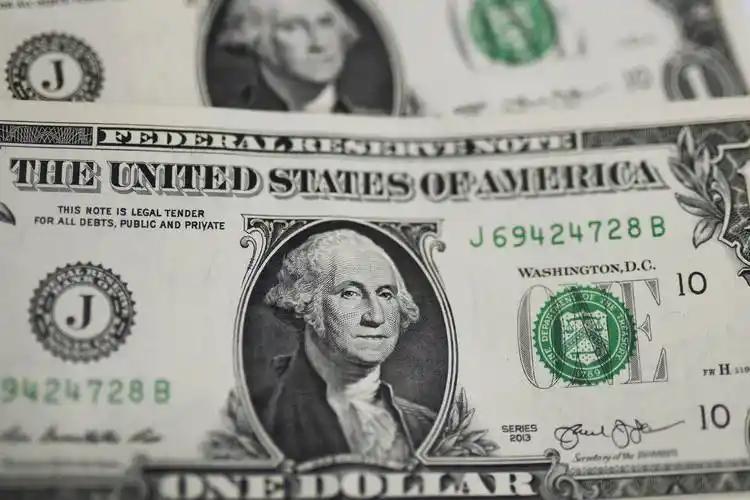
On April 2, 2025, the Trump administration will officially launch the “Global Equal Tariffs” plan, imposing a 25% tariff on imported cars and planning to implement comprehensive tariffs on all trade deficit countries. This policy has already caused a huge uproar in the global financial markets, with the US dollar index falling 0.3% to 104.12 today. Although spot gold closed slightly down 0.02% to $3110.95 per ounce, it briefly hit a historical high of $3148 during trading. The market’s concerns about the stability of the US dollar system have intensified, and behind the Trump administration’s “selective blindness” lies deeper strategic considerations.
1、 The acceleration of de dollarization process: from petrodollars to currency diversification
1. The disintegration of the petrodollar system
Since the termination of the petrodollar agreement with the United States in June 2024, Saudi Arabia has gradually adopted RMB settlement in its oil trade with China. In March 2025, the settlement ratio of RMB in the long-term supply contract signed between Saudi Aramco and Sinopec will be increased to 35%. This shift breaks the pattern of oil trade centered around the US dollar since 1974, and promotes the transformation of global energy trade towards multi currency settlement.
2. The “Infrastructure Revolution” of RMB Internationalization
The RMB cross-border payment system (CIPS) led by the People’s Bank of China has covered 182 countries and regions in 2023, with 119 direct participants and 1362 indirect participants. In 2024, CIPS processed a business amount of 96.7 trillion yuan, a year-on-year increase of 21.48%. The improvement of this system provides technical support for scenarios such as “oil renminbi” and “mineral renminbi”, weakening the monopoly position of the US dollar in international trade.
3. Geopolitically driven currency restructuring
After the conflict between Russia-Ukraine conflict, Russia converted 40% of its foreign exchange reserves into gold and established rupee ruble and lira ruble settlement mechanisms with India, Türkiye and other countries. Middle Eastern countries are accelerating their holdings of gold, with the UAE central bank increasing its gold reserves by 28% year-on-year in 2024 and the Qatar central bank increasing its holdings by 15 tons. This reserve strategy of “gold+local currency” is shaking the foundation of the US dollar as a global safe haven asset.
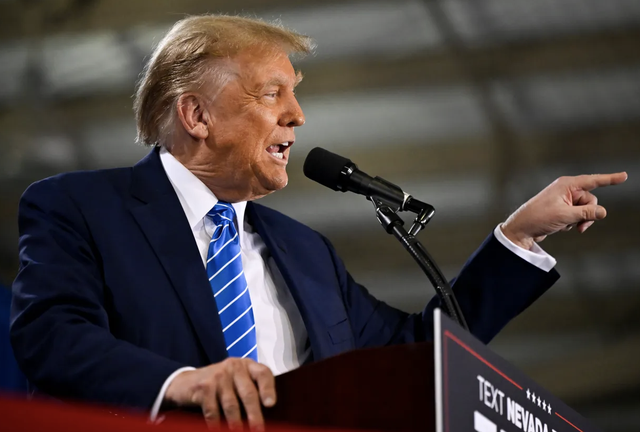
2、 Trump’s’ Dollar Decline ‘Paradox: Short term Benefits and Long term Costs
1. The ‘double-edged sword’ effect of tariff policy
Although Trump’s tariff policy aims to protect American manufacturing, it has accelerated the global process of de dollarization. Spanish Prime Minister Pedro Sanchez warned on March 28th that if the United States imposes tariffs on the European Union, the EU will take “swift and unanimous retaliatory measures”. This trade confrontation has forced companies to seek alternative currency settlements, such as Volkswagen negotiating with Chinese suppliers to settle some parts purchases in euros.
2. The “dark line” between fiscal deficit and gold reserves
The Trump administration is considering easing fiscal pressure by reassessing the value of gold reserves. The 8133 tons of gold held by the US Treasury Department are worth approximately $760 billion at current market prices, while official accounting still uses the 1973 standard of $42 per ounce. If the pricing rules are adjusted, it can directly increase the assets of the Ministry of Finance by 750 billion US dollars. This “gold monetization” strategy is essentially an indirect hedge against the risk of US dollar depreciation by enhancing the status of gold.
3. The game between inflation and expectations of interest rate cuts
Although the US ISM manufacturing PMI shrank to 49 in March and the core PCE price index rose 2.8% year-on-year, exceeding expectations, the market still bets that the Federal Reserve will cut interest rates in June, with CME data showing a 76% probability of a rate cut. The yield on 10-year US Treasury bonds fell to 4.366%, suppressing the US dollar and driving up the price of gold denominated in US dollars. Trump’s’ tacit approval ‘of the depreciation of the US dollar is essentially to stimulate exports through a weak dollar while reserving space for debt monetization.

3、 Future deduction: Twilight of US dollar hegemony and dawn of gold
1. Policy tipping point
If Trump implements “indiscriminate tariffs” on allies such as the European Union and Japan in the tariff details announced on April 2, it may trigger a joint sell-off of US bonds by G7 countries. In 2024, Japan has reduced its holdings of US Treasury bonds by $120 billion and Germany has reduced its holdings by $80 billion. This’ de dollarization sell-off ‘will exacerbate the liquidity crisis of the US dollar.
2. The logic of “de anchoring” gold
When the proportion of US dollar reserves drops from the current 59% to below 50%, gold may upgrade from a “safe haven asset” to an “alternative currency”. In February 2025, the Reserve Bank of India allowed rupee gold swap transactions, marking the beginning of a new international monetary system through innovative “gold monetization”.
Trump’s tariff policy is reshaping the global monetary order, and his “tacit approval” of the decline of the US dollar is actually exchanging short-term trade benefits for long-term strategic initiative. Gold, as the ultimate hedge tool for de dollarization, is returning to its monetary nature due to its financial attributes. In this reconstruction of monetary power, investors need to be wary of the “black swan” of the collapse of the US dollar system and seize the historical opportunity of gold as a new currency anchor.





 English
  Chinese
  Vietnamese