
Trump uses’ renovation door ‘to pressure Powell, Federal Reserve urgently refutes rumors!
- July 14, 2025
- Posted by: Macro Global Markets
- Category: News
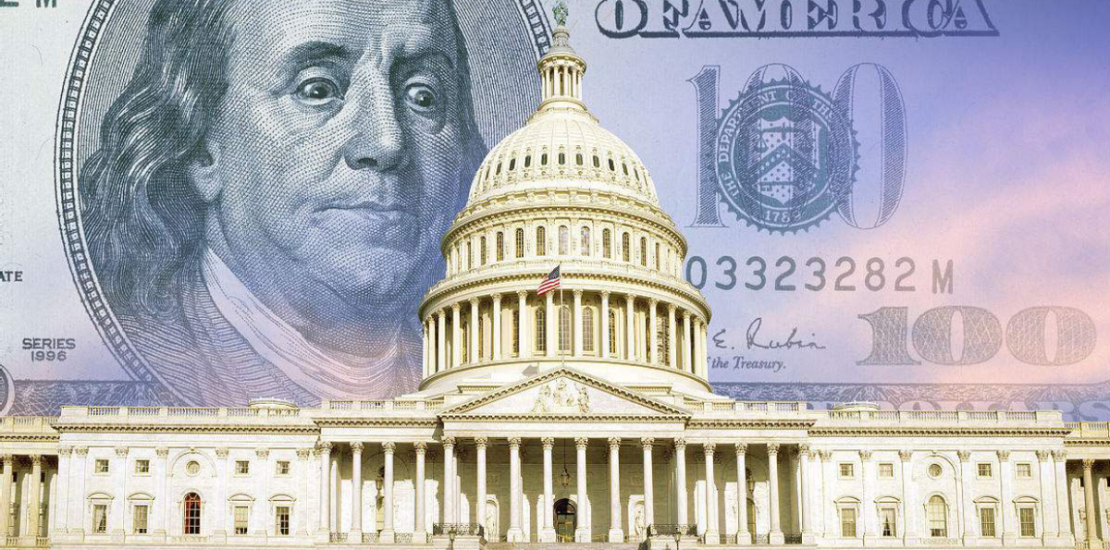
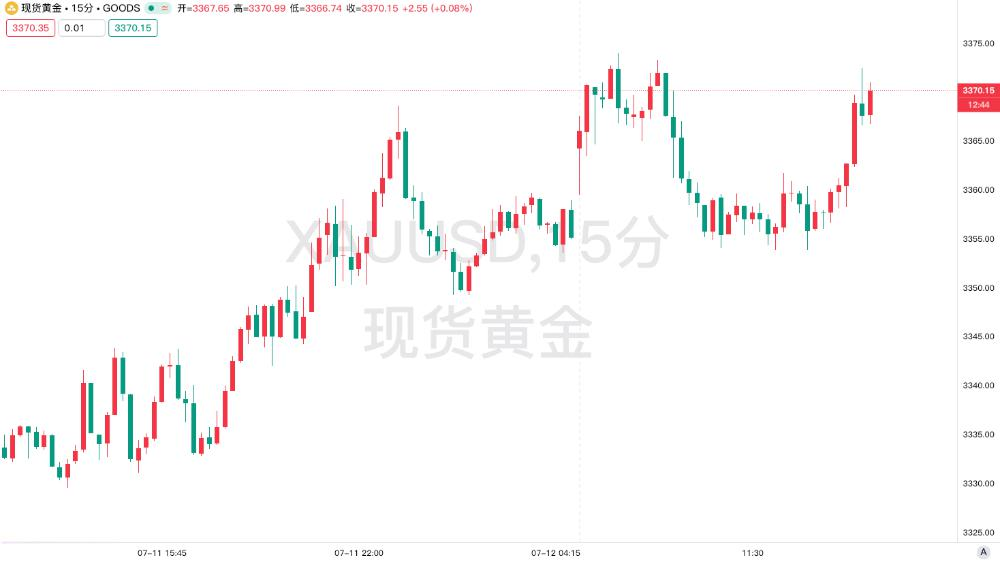
On July 13th local time, US President Trump once again publicly demanded the resignation of Federal Reserve Chairman Powell, citing a $700 million overspend on the renovation project of the Federal Reserve headquarters, and hinted that he would dismiss him through legal means. This event, known as the “renovation door” by the market, has caused a global financial market shock. The Federal Reserve issued a statement overnight clarifying that the renovation project is a necessary maintenance and has nothing to do with policy. The spot gold price rose to $3372.49 per ounce in the Asian session on July 14th and then fell back, eventually rebounding to around $3370. Market risk aversion and policy games intertwined, and short-term fluctuations in gold intensified.
1、 Trump launches attack through ‘renovation door’, testing the independence of the Federal Reserve
The core basis for the Trump team’s attack this time is that the cost of the Federal Reserve headquarters renovation project has skyrocketed from the initial $1.8 billion to $2.5 billion. White House Office of Management and Budget Director Russell Waters accused Powell of “concealing luxury facility configurations” in congressional testimony, including rooftop gardens, VIP elevators, etc. White House economic advisor Hassett also claimed that if the Federal Reserve cannot reasonably explain the overspending issue, the President has the right to dismiss Powell on the grounds of “mismanagement”. This accusation is seen by public opinion as Trump’s latest attempt to intervene in the Federal Reserve through legal means, following pressure to cut interest rates.
Legally speaking, according to the 1935 Federal Reserve Act, the President can only dismiss the Chairman of the Federal Reserve on “justifiable grounds” such as “inefficiency, dereliction of duty, or dereliction of duty,” and policy differences do not constitute a legal basis. However, the Trump administration is pushing for the Supreme Court to reconsider the “Humphrey Executor” case, attempting to overturn the 1935 precedent and expand presidential power. If the Supreme Court rules that the President may dismiss Federal Reserve officials due to policy differences, it will completely shake the foundation of the Fed’s independence and trigger a global crisis of trust in the credibility of the US dollar.
2、 The Federal Reserve urgently refutes rumors and emphasizes that the renovation is necessary for maintenance
In response to the White House’s allegations, the Federal Reserve issued a detailed statement in the early hours of July 14th, explaining that the increase in renovation costs was mainly due to structural hazards in buildings from the 1930s
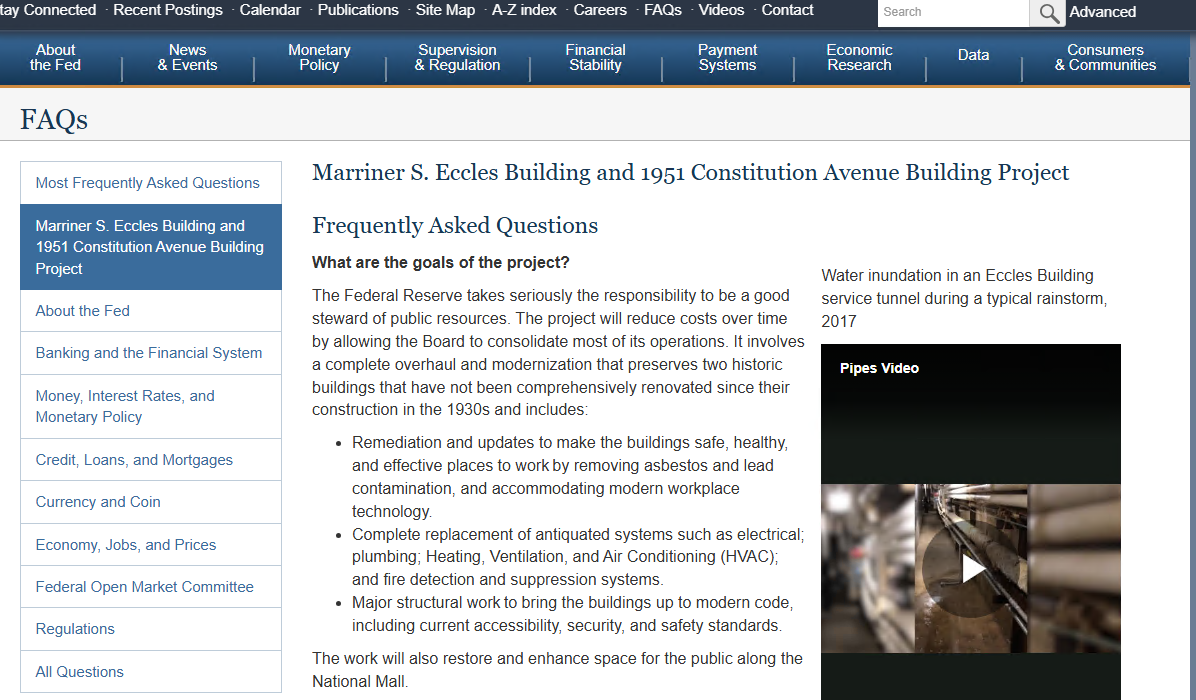
Pollution control: The underground soil of the building contains high concentrations of asbestos and heavy metals, and the cleaning cost far exceeds expectations;
Waterproof engineering: Ground leakage caused by rising groundwater level requires comprehensive reinforcement;
Security upgrade: The old circuit system poses a fire risk and needs to be replaced as a whole.
Powell reiterated to Congress in a closed door meeting on July 13th that the renovation project “does not involve any luxurious configurations” and emphasized the responsibility of the Federal Reserve as a manager of public funds. Chicago Federal Reserve Chairman Goolsby also publicly stated that the Federal Reserve Building is not a luxurious building, but a historical relic in urgent need of restoration.
Nevertheless, market concerns about political intervention have not dissipated. According to data from the Kalshi platform regulated by CFTC, the probability of Powell being dismissed before the end of his term has increased from 10% at the end of March to 23%.
3、 Market competition intensifies, experts warn of tail risks
Goldman Sachs warns in its latest report that if the Federal Reserve becomes a political tool, it could trigger three major chain reactions:
The collapse of US dollar credit: the market’s trust in the reserve currency status of the US dollar decreases, and funds accelerate into hard currencies such as gold; The sharp decline in real interest rates: interest rate cuts under political intervention may lead to a negative shift in real interest rates and an upward shift in the central valuation of gold theory; Central bank gold buying wave: Central banks around the world may accelerate the sale of US bonds and increase their holdings of gold, and the global central bank gold buying volume may exceed 1200 tons by 2025.
The political offensive launched by Trump through the “renovation door” resonates with the geopolitical crisis in the Middle East, jointly driving up the demand for gold as a safe haven. Despite the Federal Reserve’s urgent debunking of rumors, market concerns about policy independence have substantially changed the logic of asset pricing. In the medium to long term, against the backdrop of global economic fragmentation and currency system restructuring, the safe haven value and asset allocation attributes of gold will continue to be highlighted.


 English
  Chinese
  Vietnamese